
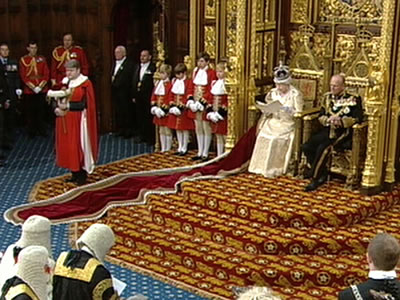
It is common for a democratic parliamentary system to have a bicameral legislature, with a directly elected lower chamber and a second, revising chamber. The United Kingdom is unusual in that its second chamber is largely nominated rather than elected, and those that are not nominated are drawn from the hereditary aristocracy.
There has been much recent debate about how the House of Lords should be reformed – with the expulsion of most of the hereditaries a notable change – but the British system is still archaic compared with most other countries.
Articles
You can find the archive of Federal Union articles on reform of the House of Lords here.
-
Can MPs vote against article 50?
Being played out in court at the moment is a case regarding the powers of parliament. Does the government have the constitutional right to trigger British departure from the EU […]
-
From the people who brought you electoral reform
The government’s plans for reforming the House of Lords are in disarray. A substantial majority – 462 to 124 – in the House of Commons voted for reform but the […]
-
The end of the coalition
The results of the voting that took place on 3 May surely spell the beginning of the end for Britain’s coalition government. (Read about the election results here.) I am […]